The garden is a central part of your home: a creative outlet for gardening enthusiasts, a place for parents to relax, a playground for children… the garden serves many purposes and has numerous unique features depending on the type of garden you create! There are indeed several styles of garden, each with different origins and cultural influences, and each has its own characteristics that give it a distinctive feel and atmosphere.Japanese, English, French, exotic, Mediterranean, contemporary… Every type of garden is different, so it’s important to clearly define the look you want for your outdoor space. sweeek’s tips will serve as a guide to help you distinguish between the different types of gardens and give you all the advice you need to create the one that suits you best!
Contemporary Garden
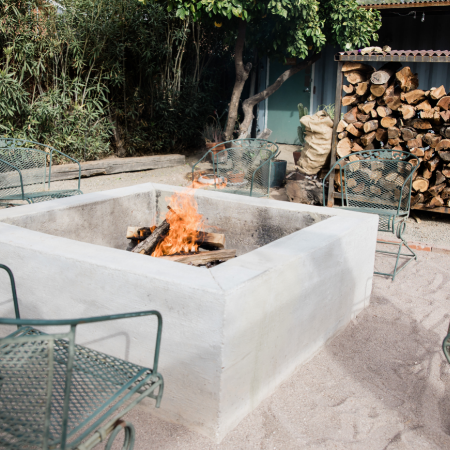
Although there are several definitions of a contemporary garden, it does share certain characteristic elements. A contemporary garden is intended to be an extension of the home, particularly through its decor: modern garden furniture and decorative elements (preferably in bright colors) are featured on the spacious terrace. Stone and wood should be harmoniously combined with the presence of water (a pond, fountain, or pool). As for plants, they should be kept to a minimum and used to structure the space: hedges, bamboo, boxwood, perennial shrubs…
English-style garden
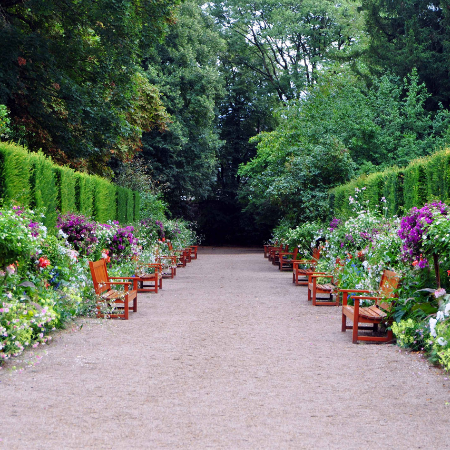
Similar to a naturalistic garden, the English garden aims to resemble natural landscapes by featuring an abundance of plants of all kinds. In this type of garden, plants thrive in profusion, and visitors are enveloped by the scents of flowers, particularly roses. Winding paths, small ponds, hidden benches… the English garden is an ode to poetry and painting. Nevertheless, beneath this wild appearance lies meticulous maintenance: lawns mowed to the millimeter, well-arranged flowerbeds and borders, pruned shrubs… nothing is left to chance! The English garden combines freedom and precision in a delicate harmony.
French-style garden
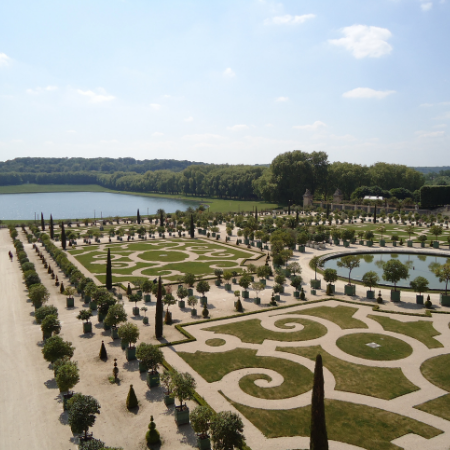
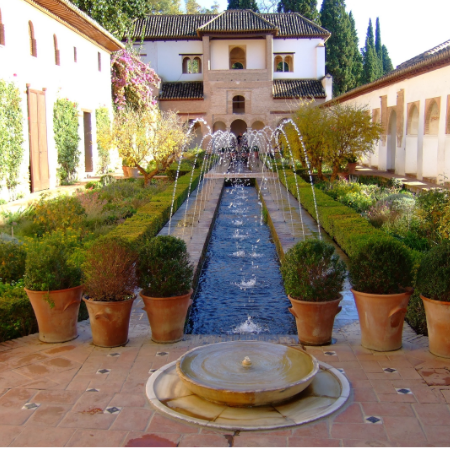
The well-known ‘French-style’ garden has several key features. Formal and classical in style, French gardens are typically found in the grounds of castles, mansions and museums… Symmetry and order reign supreme in a French-style garden, as every detail counts. Often centred on the façade of a building, the French formal garden features numerous ponds and fountains interspersed with wide gravel or earthen paths bordered by small hedges of boxwood or other conifers, all perfectly trimmed. This garden must be immaculate all year round and therefore requires constant maintenance. The quintessential French formal garden is the well-known garden at the Palace of Versailles.
Exotic garden
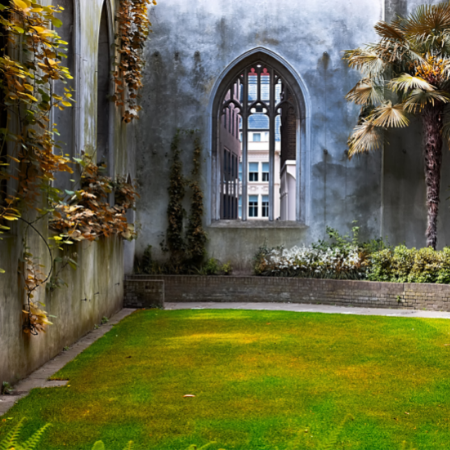
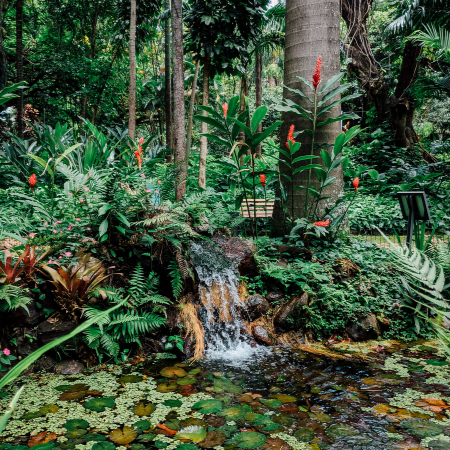
Creating an exotic garden isn’t as complicated as you might think. Indeed, although it draws inspiration from the arid landscapes of the Mexican deserts or the vegetation of the Amazon, it is entirely possible to create one in your own home. An exotic garden requires a temperate climate and fairly warm temperatures throughout the year so that plants and trees from distant lands can thrive. For a successful design, combine desert plants (cacti, palms, etc.) with lush, large-sized plants from the rainforest (bamboo, ferns, fruit trees, etc.).
Japanese garden
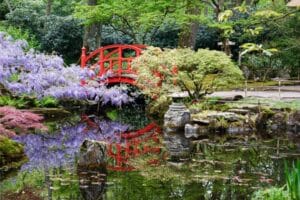
The Japanese garden (or ‘Zen’ garden) is a space designed to be timeless, where one can enjoy a stroll whilst meditating and disconnecting from the outside world. Whilst Zen gardens are often found in Asian temples and Japanese art, the Japanese garden is designed more for walking and relaxation. Criss-crossed by gravel or earthen paths winding between water features, the Japanese garden will be your haven of serenity where you can recharge your batteries in complete privacy.
Mediterranean garden
Mediterranean gardens are outdoor spaces with a distinctive style reminiscent of Provençal homes with their dry, arid gardens. The plants and flowers in these gardens are typical of the south, such as laurel, vines and even cacti. Trees such as fig, palm, cypress, pine and olive are also found here. All these plants and other vegetation require very little water and are accustomed to heat and a harsh climate. A Mediterranean garden can be described as a space that smells of lavender, where the roughness of hewn stone and the hardness of olive wood blend in perfect harmony, and where one can hear the song of cicadas and the wind rustling through the cypress trees.

Naturalistic garden
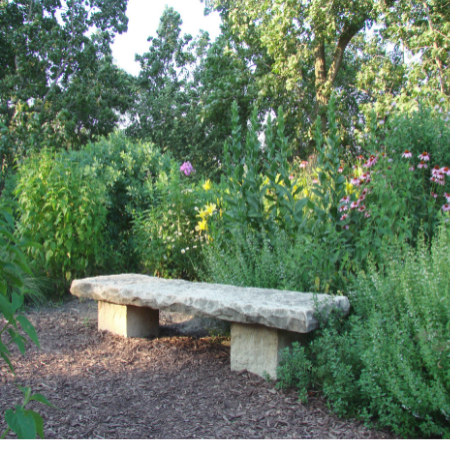
Naturalistic gardens are designed to recreate a thriving, abundant natural environment that envelops the gardener with its profusion and richness. They consist of plants that are commonly found in the wild, adapted to local conditions and which offer different scenes depending on the season. Composed exclusively of flowering plants and distinguished by the absence of lawn, the naturalistic garden is ideal for nature lovers who wish to recharge their batteries in a space where flora and fauna coexist in abundance.
Vicarage garden
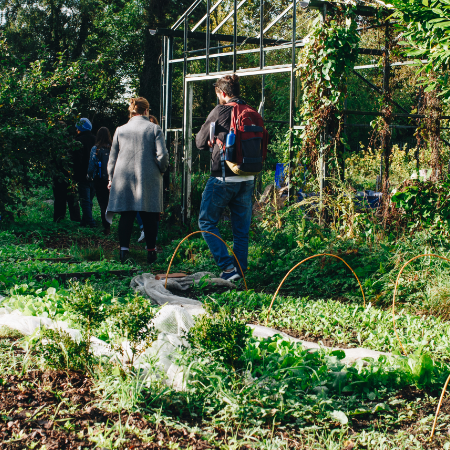
Originally, the vicarage garden served to provide the village priest with food, as well as flowers to decorate the church. Unlike many gardens, the vicarage garden is distinguished by its deliberate refusal to separate the kitchen garden (vegetable patch and fruit trees) from the ornamental garden (for relaxation). Indeed, mixing genres is permitted and encouraged to encourage a return to the wild and to gardening: fruit trees marking the edges of flowerbeds or a path, vegetables planted in the ground amidst flowerbeds… Fruit and vegetables should blend as harmoniously as possible with the garden’s various plants and flowers to create a natural, plant-based mix of the finest quality.
Small garden
Small gardens, often found in towns or on the outskirts, can be designed to become a natural extension of your home. The aim in a small garden is to make the most of the available space: trim the lower branches of trees to let in more light, make the space versatile and functional, arrange garden furniture, create different levels to add depth, use lighting to highlight your ground cover plants… As for plants, it is often advisable to screen the boundary with neighbours using evergreen plants for the hedge (bamboo, rhododendrons, boxwood, yews, etc.)
Sloping garden
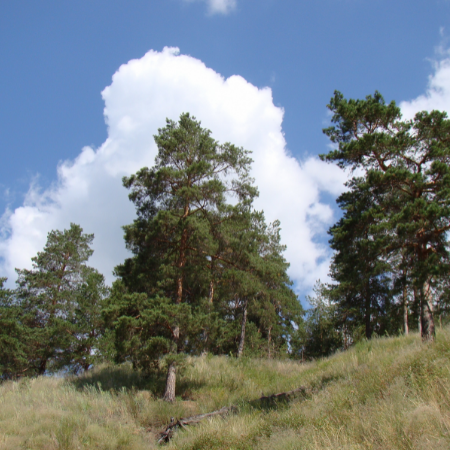
It is not uncommon to find gardens on slopes – whether gentle or steep – which are often laid out in terraces and steps. The advantage of this type of garden is that it showcases every plant or tree to its best advantage, something that is difficult to achieve in a traditional garden. Install one or more sets of steps to make it easier to get around if the garden is very steep, and drastically reduce the amount of lawn you need to mow. To do this, plant flower beds, shrubs or ground cover plants in small patches of lawn: this will add colour to your garden and save you from having to push your mower with sweat pouring down your brow.
Garden by the sea
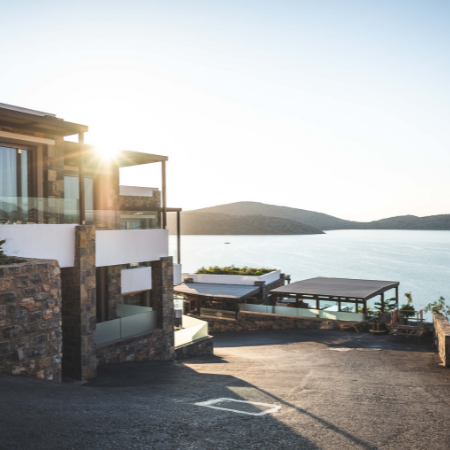
Seaside gardens are gardens with dry soil, buffeted all year round by wind and sea spray. The plants commonly found in seaside gardens are fairly low-growing, so as to better withstand strong winds, and have deep roots to draw the water they need from the soil. Shrubs will play an important role in the vegetation of your seaside garden, creating natural barriers against the elements. It is also possible to create an orchard and a vegetable garden in this type of garden, provided they are well sheltered and close to the house, and therefore set back from the side facing the coast.
Water garden
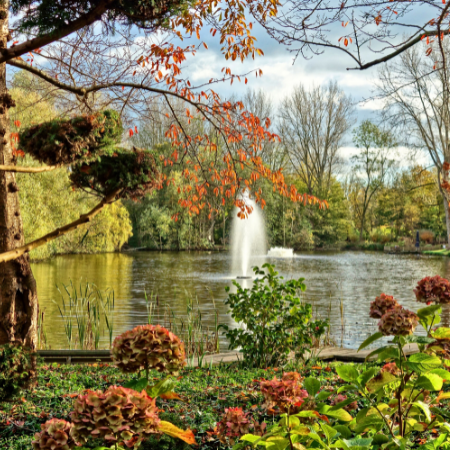
A water garden is an outdoor space designed around a pond or water feature. The water feature itself may be natural or artificial: if artificial, it is important to take certain factors into account, such as sun exposure and the depth of the pond. This basin, which is the central feature of the water garden, is surrounded and dotted with aquatic plants: lotus, reeds, water lilies, water hyacinths, papyrus and rushes are perfectly suited to aquatic life and will also allow wildlife (insects and small animals) to thrive.
Vegetable garden
This style of garden is ideal for both amateur and professional gardeners! Increasingly common in urban areas, vegetable gardens allow city dwellers to grow a variety of fruit, vegetables and herbs. Vegetable gardens are even beginning to replace traditional plant and flower displays. Whether square, vertical, horizontal, raised or traditional, a vegetable garden can be set up almost anywhere, whether in the city or in the countryside. Make sure to position it in a spot with optimal sunlight but sheltered from the wind and the elements, so that each crop can thrive.
This article on the various types of gardens is coming to an end, and we hope it has served as a useful guide to help you choose the right garden design!