Creating a cosy atmosphere at home isn’t just about the furniture or the colour of the walls. Lighting plays a vital role in how we perceive a space. A well-chosen interior light fitting can transform a cold or impersonal room into a real haven, a pleasant place to spend time in every day. Colour temperature, types of bulbs, brightness… Here are all the factors to consider when choosing the ideal lighting to create a soft and welcoming atmosphere.
The importance of colour temperature
To create a cosy atmosphere, colour temperature is the first factor to consider. It is measured in Kelvin (K) and directly influences the atmosphere in a room.
- Light with a colour temperature between 2,700 and 3,000 K is considered warm.
- Below 2,700 K, the atmosphere becomes very dim and intimate.
- Above 4,000 K, the light is cool and better suited to workspaces.
Pour un intérieur chaleureux, il est donc conseillé de privilégier des ampoules à lumière chaude, proches de celle d’un éclairage incandescent. Elles apportent immédiatement une sensation de confort et de détente.
Increasing the number of light sources
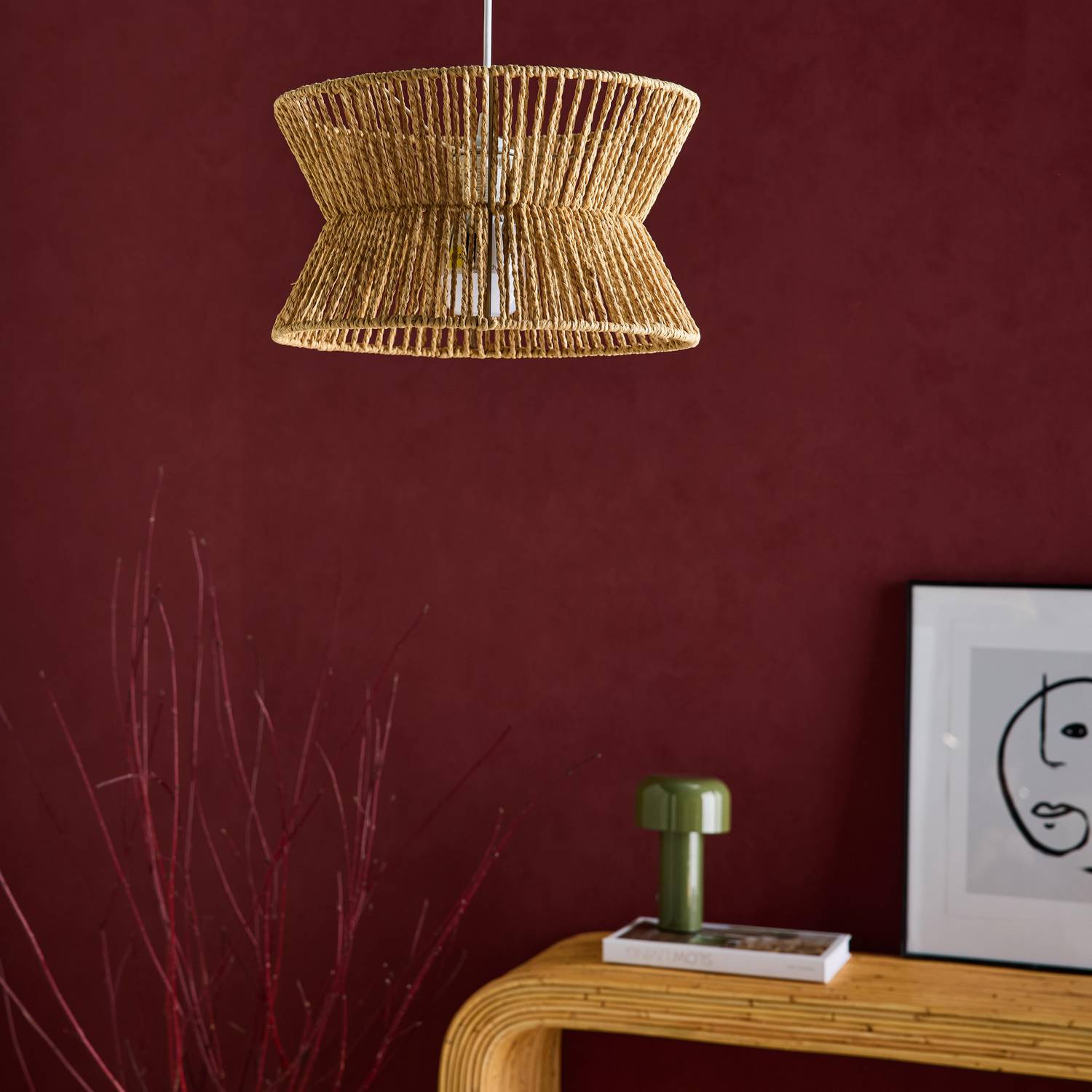
Successful lighting rarely relies on a single light source. On the contrary, a cosy atmosphere is achieved by combining several light sources, spread throughout the room.
Ideally, you should combine:
- soft main lighting,
- one or more ambient lights,
- accent lighting to add structure to the space.
This layering allows the light to be adjusted according to the time of day and the intended use, whilst avoiding areas that are too bright or too dark.
Choosing the right lights
Certain types of light fittings are particularly well suited to creating a cosy atmosphere.
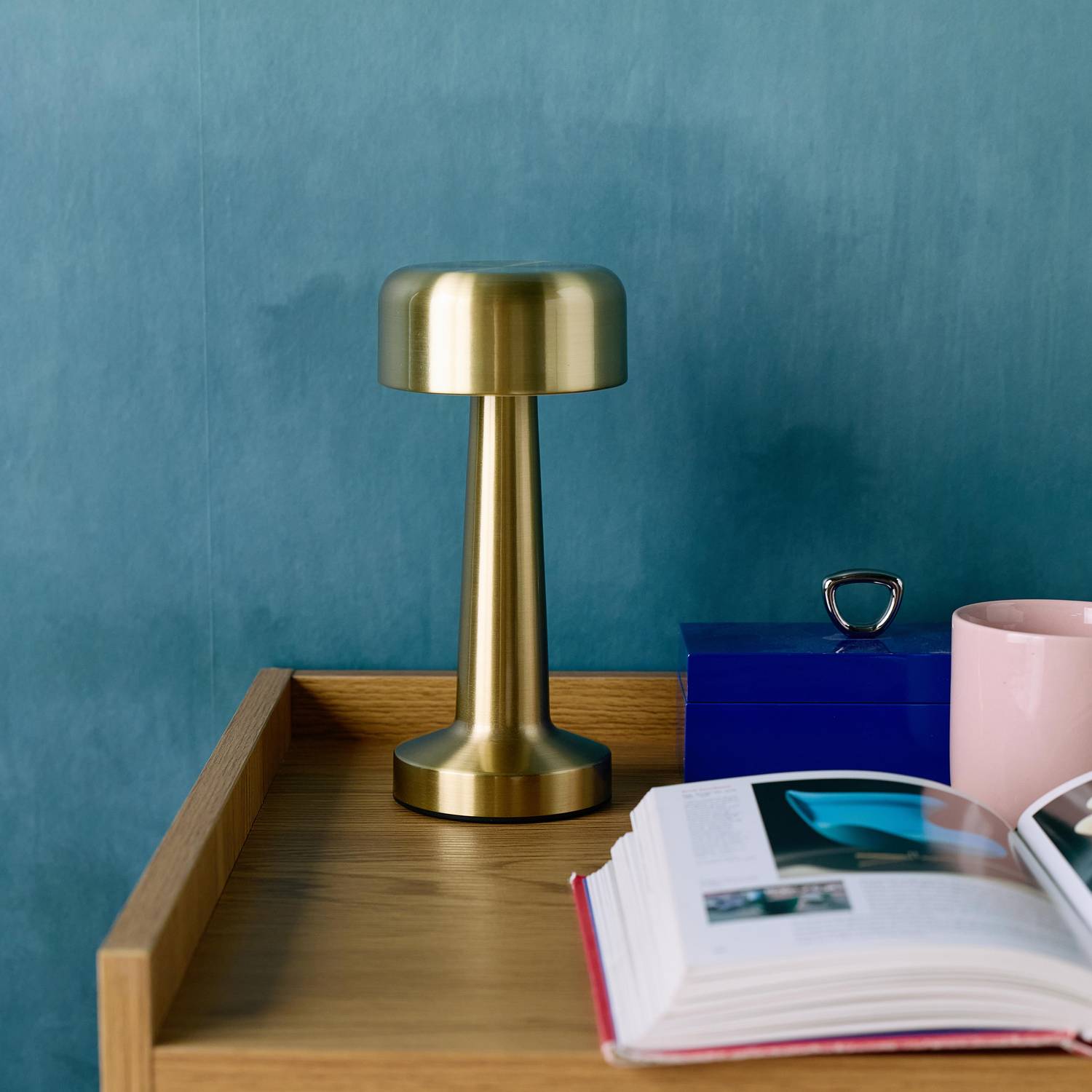
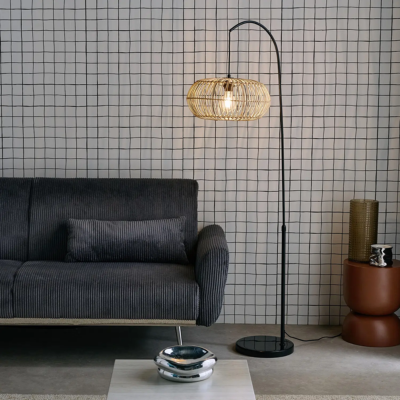
Table lamps and bedside lamps cast a soft, focused light, perfect for moments of relaxation. Floor lamps, placed near a sofa or in a corner of the room, provide a soft, enveloping light without being too bright. As for pendant lights, when hung at the right height, they create a cosy atmosphere, particularly above a dining table.
Choosing the right bulb is just as important as choosing the right light fitting. A bulb that is too bright can spoil the atmosphere, even if it has a warm colour temperature.
Prioritise indirect lighting
Indirect lighting is an excellent way to soften the light. Directing a light source towards a wall, a ceiling or behind a piece of furniture helps to diffuse the light more evenly.
Wall lights, uplights and concealed lighting create a cosier, more pleasant atmosphere, ideal for living areas.
Pay attention to lampshades and fabrics
Materials also play an important role in how light is perceived. Lampshades made of fabric, linen, paper or rattan filter the light and make it softer.
Conversely, materials that are too shiny or transparent allow a more direct light to pass through, which is often less warm. Opting for light or natural shades also helps to create a softer atmosphere.
Tailoring the lighting to each room
In the living room, the combination of several warm-toned lamps helps to create a cosy and adaptable atmosphere. In the bedroom, soft, indirect lighting encourages rest and relaxation. In the dining room, a warm-toned pendant light, positioned above the centre of the table, creates a welcoming atmosphere without causing glare.
To create a cosy atmosphere, it is essential to choose warm lighting, use multiple light sources and prioritise indirect lighting. By combining the right light fittings, suitable bulbs and soft materials, lighting becomes a real asset in making an interior more comfortable and pleasant to live in.