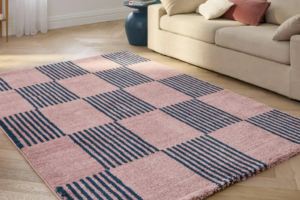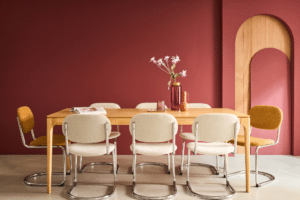
You’ve probably heard of Feng Shui, that ancient Chinese art which aims to harmonise the energies in our environment to improve our well-being. That’s all well and good, but how do you put it into practice at home? Don’t worry, we’re going to explain how to incorporate Feng Shui into your home, room by room and colour by colour, to create a serene and balanced living space. Follow our guide!
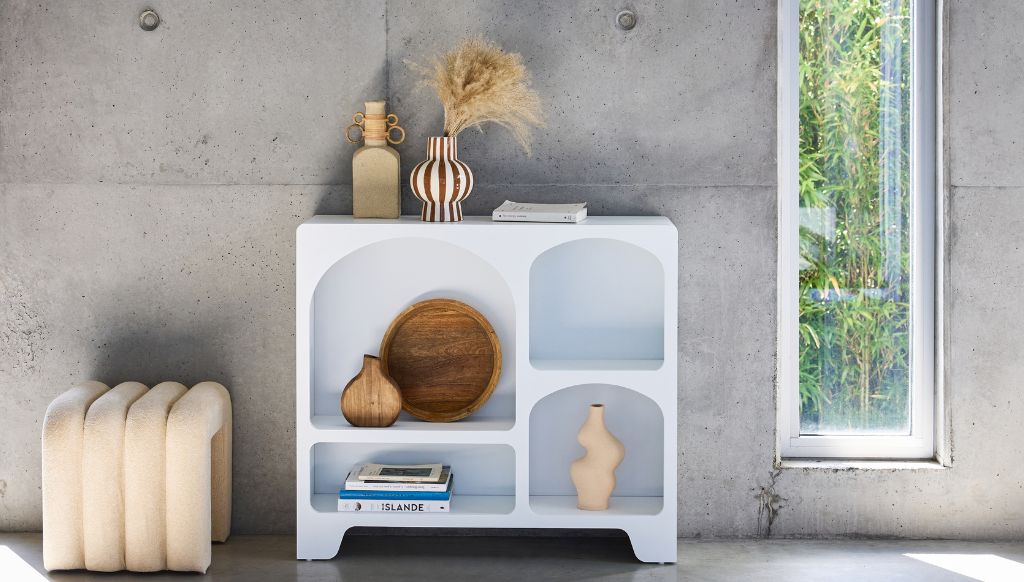
WHICH COLOURS SHOULD YOU CHOOSE FOR FENG SHUI DECOR?
As we know, colours are very important in interior design because they influence our mood and emotions.
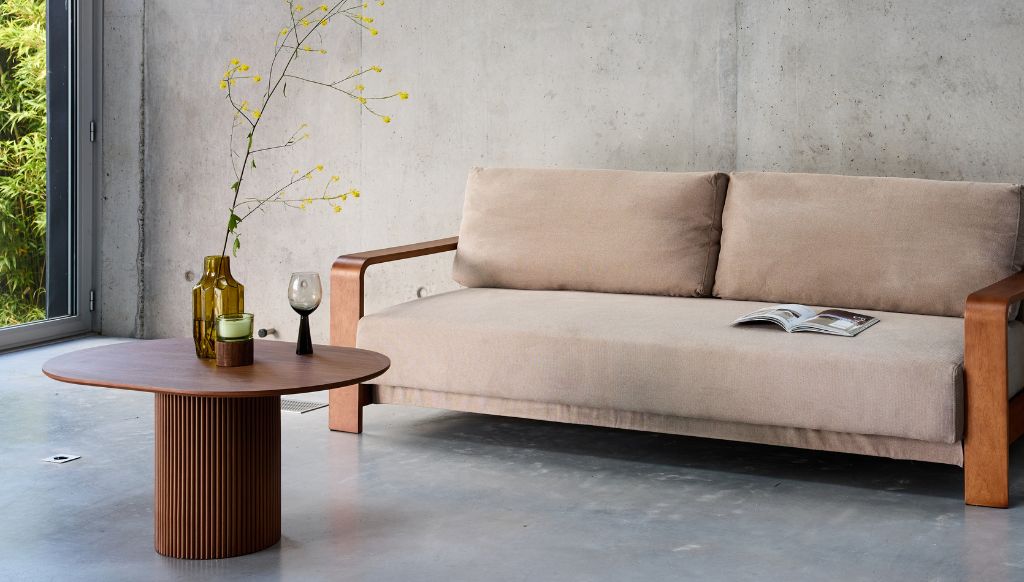
- The living room: Opt for neutral, warm colours such as beige, brown or olive green. They’re ideal for creating a welcoming and soothing atmosphere.
- The bedroom: Choose soft colours such as blue, green and lavender, which promote relaxation.
- The kitchen: In this cosy room, you can use colours that are a bit more vibrant to boost your energy.
- The bathroom: White, sky blue or pastel colours will look perfect on your bathroom walls.
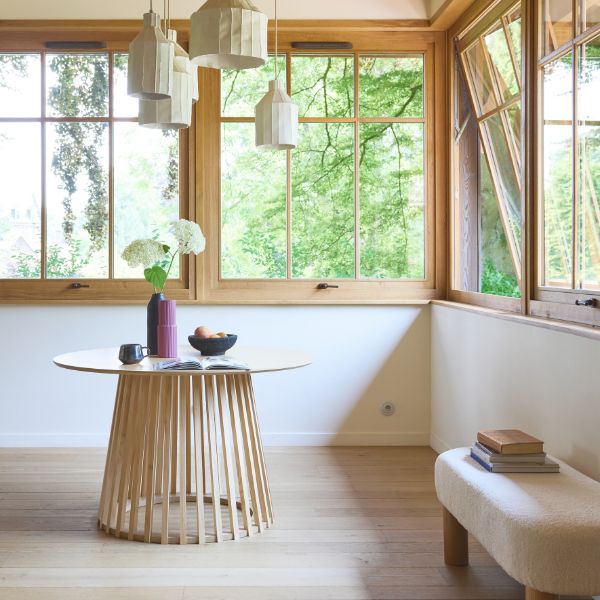
WHAT ARE THE RULES OF FENG SHUI?
To practise Feng Shui, there are four rules to follow:
- Decluttering: Opt for a minimalist interior and get rid of unnecessary items.
- The flow of energy: To allow energy to flow freely, remove any bulky furniture that is blocking passageways and add plants to empty spaces.
- The balance of the elements: Feng Shui takes into account five elements: wood, fire, earth, metal and water. So try to incorporate these five elements into your interior design.
- Mirrors: They are used to reflect light and make rooms appear larger, but should not be placed opposite doors or beds.
In every room of the house
Every room in the house has specific Feng Shui requirements.
- The entryway: This is the first room you come to when you enter a house. It should be kept clean, well-lit and welcoming. A nice doormat, a few houseplants – and there you have a pleasant entryway.
- The living room: The sofa will be placed against a wall to create a sense of security. Add some soft throws and pretty cushions to give it an extra cosy feel.
- The bedroom: You should position your bed so that you can see the door. Choose bed linen made from natural fibres such as linen or cotton, and – although we know it’s difficult – try not to leave your mobile phone near your bed at night.
- The kitchen: The key here is to keep the kitchen clean and tidy and to have a few houseplants to add a touch of life and freshness.
- The office: Ideally, the desk should be positioned facing the door. To help you concentrate, tidy your workspace regularly.
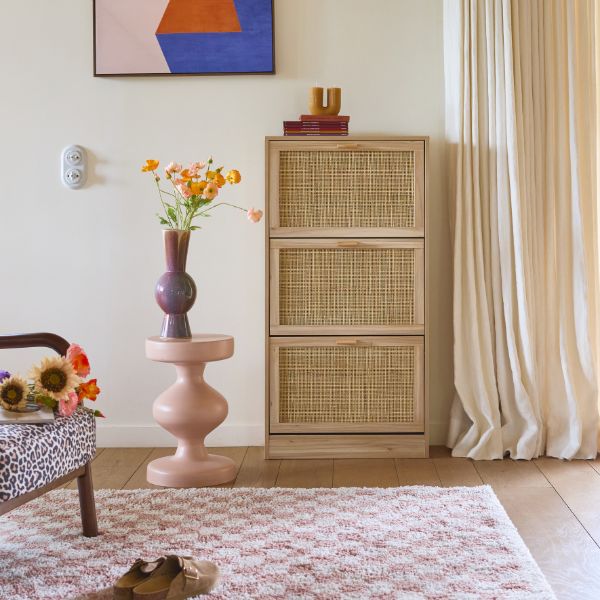
Applying Feng Shui in your home is, above all, about creating an environment where you feel at ease, in harmony with yourself and those around you. With these simple tips, you can transform your home into a haven of peace and positivity. Feel free to make small adjustments and see how they affect your daily life.