
As soon as the warmer weather arrives, you love to make the most of your garden lounge and sun loungers. Left out in the open, your garden furniture is exposed to the elements and the sun. The same goes for your cushions and decorative items. Often placed on a chair to add a splash of colour, or on a sofa, a designer bench or even a daybed, it’s not uncommon to find stains here and there. Even though they’re designed for use in your garden, they can still suffer from dirt and various stains.
There are plenty of old wives’ tales for getting rid of stains, but sometimes these solutions aren’t enough. Vinegar and bicarbonate of soda are sometimes far less effective than a regular wash when it comes to ensuring your comfort. How should you care for and clean your outdoor cushions? Which products should you use? How can you protect them properly? Whether they have removable covers or not, discover our tips and advice to keep them in good condition. The solution to ensure you can continue to enjoy your garden lounge for many years to come.

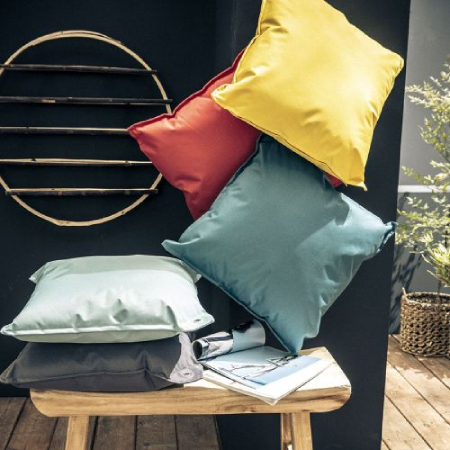
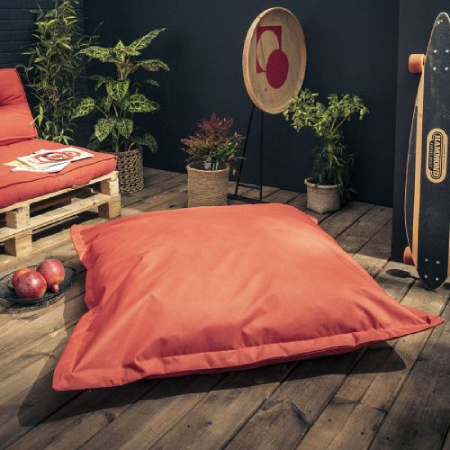
Remove dust from the cushion
The first step in looking after your garden sofa cushions is to remove dust from your garden seating. Remember to give your cushions a good shake regularly to remove dust, as it tends to become embedded in the fabric. You can also use a vacuum cleaner to remove dirt from the surface of your cushions.
Cleaning the covers
First and foremost, please read the washing instructions on the label carefully. If you just want to give it a quick clean, simply wipe it down with a soft cloth or sponge and water. No cleaning products are needed. If your cushion is waterproof, you can even use a water jet with a brush.
However, if you find a food stain, or a patch of grass or dirt on the surface of your garden sofa, for example, we recommend cleaning it thoroughly with a mixture of warm water and Marseille soap. Gently scrub with a sponge or soft cloth, then rinse thoroughly with clean water. Leave your cushion to dry in the open air (it will dry faster). To ensure that moisture does not linger in the cushion, hang it up by the top so that the water can drain away. This should be done as soon as possible after the stain appears. It is essential to prevent it from setting into the surface of the cushion.
If you have chosen cushions with removable covers for added comfort, the best option is to wash the covers.
It’s a good idea to clean your garden table and sofa about twice a year. Why not take this opportunity to look after your cushions as well? Can the covers be removed? Perfect – all you need to do is pop them in the washing machine to get rid of any stains. Our little tip is to add a few drops of essential oils to the rinse water. This will give your cushions a subtle fragrance and leave them smelling lovely. We advise against using a tumble dryer. Instead, air-dry them and then iron them inside out on a low heat to avoid making the fabric shiny. Can’t remove the covers? Get some fabric shampoo to clean them. Above all, don’t forget to let them dry thoroughly to remove all the water.
Cleaning the cushions
Please note: how you care for your cushions will depend on the filling. If they’re filled with polyester foam or cotton, good news – you can use soapy water. However, fabrics such as plant-based fibres don’t like soap or moisture. How should you clean them? In this case, we recommend using a damp brush instead. A handy old-fashioned tip: for stains, use gentle products such as black soap, which works wonders! Simply dilute it in a little water and gently rub the cushion – it’ll be as good as new!
How often you clean your garden sofa will depend on how much you use it. In summer, the sun’s rays can cause stains on the fabric. In autumn, falling leaves may soil the fabric of your cushions.
How should I store my cushions for the winter?
Just as you’re advised to store your garden furniture away for the winter to keep it in good condition, looking after your cushions is also essential. Ideally, you should remove your cushions and mattresses every evening and bring them indoors, but if that isn’t possible and you cover your garden sofa or table with a protective cover, leave them under the cover. This will protect them from dew, which could damage the fabric. To explain briefly, dew creates moisture on the fabric, which then warms up throughout the day. The damp fabric will therefore dry out, causing discolouration and cracking.
Is the weather turning colder and winter on its way? It’s time to store your cushions in a dry place, covered with a protective cover. This will keep them well protected from the elements and dust. You can also use them on a cot or other extra bed. If you don’t have space indoors to store your cushions, you can buy a storage chest that matches your garden furniture to keep them in and add a decorative touch. When the warmer weather returns, simply air them out, give them a quick wipe with a cloth and some water, and then all you’ll have to do is arrange them on your sofa or table and enjoy them!
In winter, here are a few tips and tricks: store your cushions in protective covers in a dry, sheltered place to protect them from the elements and dust. You could also buy a storage chest to keep them in, which will also add a decorative touch to your garden. When the warmer weather returns, you can air them out and clean them, and then all that’s left to do is arrange them on your garden furniture – on a pretty chair, a designer sofa or similar – and enjoy them!